A Healthier, Happier Lawn
With Yard Guard!

Author: Sidne

To Rake or Not to Rake: Should You Pick Up Fall Leaves or Let Them Be?

I assume you’re looking at your yard, just like I’m looking at mine and wondering “do I really need to rake up these leaves, or will they be fine?” If you’re asking this question and wondering if you could free up your weekends from some yard cleanup, keep reading for your best practice this year. 

There are two main factors that contribute to making this decision. The first one is how many leaves are covering your lawn and the second is whether your trees had any foliar fungal diseases this year. 

Leaf Coverage
If your lawn has about 20% leaf coverage, you’re good to go! At this level, the leaves can still move around with the wind, break down naturally, and add nutrients to the soil. You’ll know it’s around 20% if you can clearly see most of the grass peeking through the leaves.

At 50% coverage, it’s still okay, but this is the point where we suggest a mow to mulch the leaves. Chopping them up will help them decompose faster, enriching the soil as organic matter. 

Once you go over 50% leaf coverage, it’s best to remove the excess until you’re back under that 50% threshold. Too many leaves can create a cozy winter haven for voles and suffocate your lawn, stunting its spring growth and potentially making it struggle to thrive all summer.

Leaving a manageable layer of leaves on the lawn is an easy way to return nutrients to the soil and encourage a healthier lawn. Just keep an eye on the coverage to avoid issues and enjoy a greener, stronger lawn!

Disease Management
The second factor that will aid in the decision is whether your trees had a foliar fungal disease. If your aspen trees were affected by Marssonina Leaf Spot, you’ll want to remove the leaves immediately so the disease doesn’t spread to your other trees or neighboring properties. Any other foliar fungal diseases need to be treated the same way. 

Evergreen trees don’t require as much concern, unless they have/had the fungal disease, needle cast. Be sure to pick up the needles immediately to prevent continued spread. 

If your trees suffer from any of these fungal diseases, give us a call and we can do a diagnosis and put together a treatment plan. If you’re not sure, we’ll have a consulting arborist come out and do a property walkthrough.

Getting Rid of Yard Waste
If you would rather pick up your leaves and dispose of them, I’ve listed a couple options for the local towns to utilize when getting rid of yard waste. Please see below: 

Bozeman
If you live in the city of Bozeman, they offer a leaf pickup service for certain areas of town on certain days. Click on the link for a full visual of the map and when your neighborhood is scheduled for leaf pickup. 

Second, the Bozeman Convenience Site is accepting compost material such as “grass, leaves, straw, manure, garden remains, plant trimmings, branches less than 1/4″ diameter, etc.” Their rate is $15/ton (as of 2024).  

Livingston
The city of Livingston is hosting their Leaf Collection Day on Nov 14th – all of your material needs to be out by 5:00 AM.

Belgrade
Everything can be directed to the Bozeman Convenience Site or the Logan Landfill

Once all your leaves have fallen and you’re only looking at about 20% coverage on your lawn, you’re good to go, find something much more fun to do on the weekend! 50% or so, just give it a quick mow to mulch up the leaves and over 50%, it looks like you’re going to be picking up leaves or call one of the awesome Lawn Maintenance companies in town to see if they offer a fall cleanup service and let them do it for you!


Yard Guard Staff’s Favorite Fall Activities

As we begin our descent out of summer and into fall (and immediately to winter), we thought it would be fun to share with you our staff’s favorite fall activities so you can get to know them better and see if you have anything in common!


Sydney (Customer Service Representative)
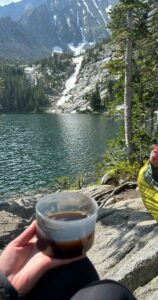
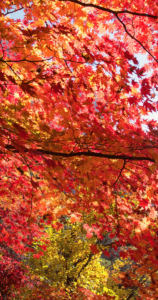
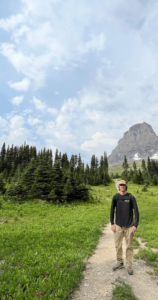
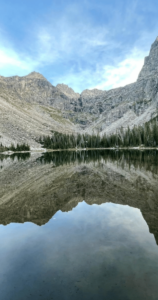
Her favorite activity in general is hiking and backpacking, but specifically in the fall, she can see the leaves changing and feel the cold weather on her skin and embrace the beautiful views!


Daniel (Lawn Technician)
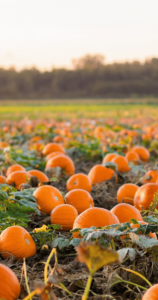
Daniel just moved to Montana from Florida and so he has yet to experience a Montana fall, but his favorite fall activity is to go to the pumpkin patch and pick out the best pumpkin! He thinks his favorite activity is going to change to hiking after this season! 


Keri (Customer Service Representative)
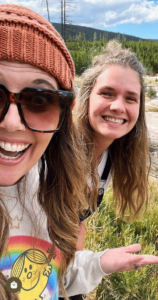
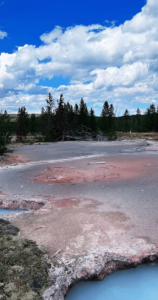
“Fall is my fave time to visit Yellowstone! We always have people come to visit in what I think is Montana’s best season and I love taking them to Yellowstone because it’s crisp and cool and beautiful! And the crowds have died down, which I love! The perfect fall day for me is a trip to Yellowstone with some kind of picnic (like sandwiches from Mamma Macs) and some friends to hike around with! Add an afternoon thunderstorm and I’m in heaven!” ~Keri 


Colin (Owner)
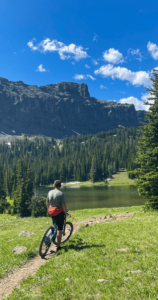
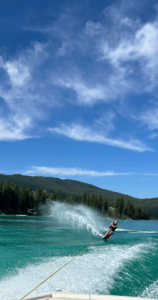
Colin had a hard time deciding what his favorite was so he decided to choose two. First, Colin pretty much loves mountain biking at any time when he can during the year, but particularly loves mountain biking in the fall because it’s cooler and a different kind of beautiful! Second, you can’t keep this guy from skiing year round. He loves water skiing especially in the fall because the water is warm and there is less of a crowd on the lake!


Sidne (Office Manager)
I feel the same way that Colin does where it’s hard to choose. I love backpacking and hiking in the fall, just like a lot of our staff. In the fall, I feel like the competition is reduced for the best camp spots! I love cooking with the fall vegetables. Everything is so fresh and tasty and goes so well together (fall veggies hash with some chorizo is my fave!). I love walking outside to the crisp fall morning, I think it just has such a fresh smell, if I could spend my time in the fall at a cabin, I totally would. 


Gregg (Lawn Technician)
Gregg loves Harry Potter (don’t we all?) and specifically loves to binge watch the movies while it’s snowing outside. Not to mention all of the sweet fall treats. Anything with apple and cinnamon is a particular favorite! 


Carly (Dispatcher)
“One thing I love to do in the fall is make Halloween costumes! It was my mother who really started this tradition. When I was a kid she would take me and my 2 siblings to the craft store each fall to pick out costume patterns and fabrics. It was so special having a unique handmade outfit. As I grew older, she taught me how to use the sewing machine and I continue to make my own costumes to this day. I believe you are never too old to dress up!” ~Carly


Will (Consulting Arborist and Vendor Relationships)
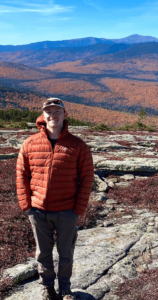
“Hiking in New England! I love the colors of the fall foliage in the Northeast and visiting family out there when the leaves are changing colors.” ~Will


Nate (Lawn and Tree Technician)
We have a bit of a theme that runs through our team! Nate also loves hiking in the fall because the temperatures start to cool down and the colors are beautiful! 


Mickey (Lawn Technician)
It’s funny, I asked everyone separately what they love to do and the hiking just seem to be the mainstay answer! Mickey also loves hiking in the fall because it starts to cool down! She’s not a huge fan of the hot temps so she would prefer not to walk up a mountain at that time!


Logan (Lawn Technician)
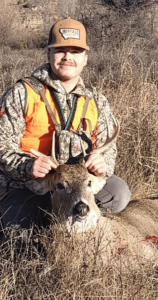
When I asked Logan, I don’t think he even took a second to think, I asked “What’s your favorite fall act—HUNTING!” Logan said. I can tell he’s looking forward to getting out in the mountains and enjoying the quiet of nature!


Addy (Lawn Technician)
Addy had a fun answer! Her dad hosts a spectacular Halloween party every year and sometimes incorporates his family as props. One year, her and her sister were put on a pulley like system and dressed up as skeletons and when one person would jump down, the other would float back up and vice versa. (How do I get an invite, Addy?)


Dane (Floater)
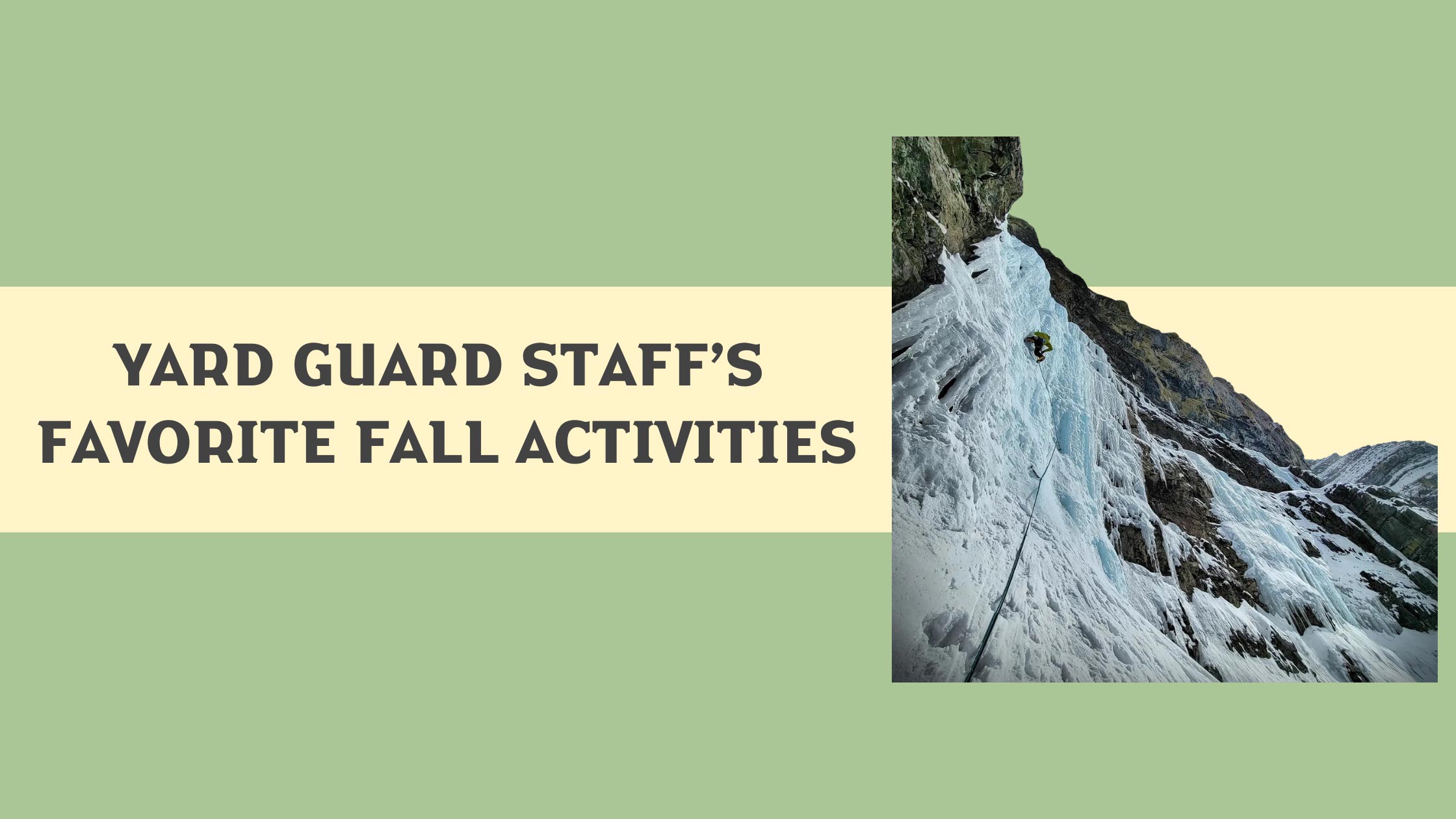
Dane is a friend of Colin’s that’s joining us for a couple of weeks this season between some trips that he has planned to help with whatever he can. He loves ice climbing in the fall because there’s only some locations where the ice is established enough to climb and you need to walk 14-15+ miles to get to the climb itself. He has done a fall ice climb near Big Sky so often that his feedback and insight was sought after by a guidebook because he understands the conditions from year to year the best! Very cool.


Noah (Lawn Technician)
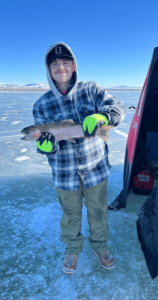
Noah is a busy guy in the fall. “Ooo that’s a tough one. Working out, duck hunting, deer, snatching up any last trout, and until there’s snow, golfing and running calls.” ~Noah


Sammy (Lawn Technician)
Bonfires, Rocky Creek Farm, and Football!


Tommy (Lawn Technician)
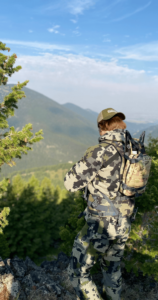
We have another vote for hunting! Again, being able to be out in the wilderness and enjoy the peace and quiet of nature is always a great luxury. I don’t know about you guys, but I can’t even see Tommy in this photo. 


George (Lawn Technician)
“My favorite fall activity is hiking. It’s the perfect time because it’s not too hot, there’s not snow to block access and it’s not a super busy season.” ~George


Pearson (Liquid Aeration Technician)
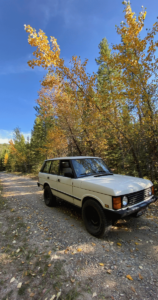
“One of my favorite fall activities is going up into the mountains to do a little off-roading and see all the Fall foliage, specifically in a Land Rover!” ~Pearson

Five Commonly Asked Summer Lawn Questions

We have the privilege of hearing all sorts of lawn questions about strange things people are seeing in their lawns all over the valley. We love taking great care of our customers and providing them with helpful information, so here are some of our most commonly asked questions about things you might be seeing in your turf this summer! 

Dog Pee Spots

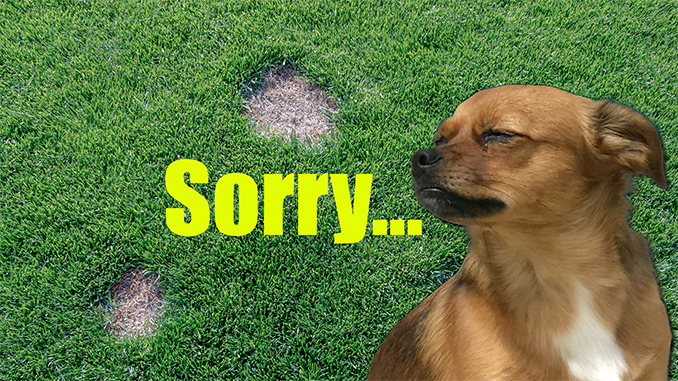
We’ll start with one that every dog lover will know: “How do I get rid of pee spots in my lawn?” Due to the high amount of nitrogen and salt in dog urine, most pups will leave discolored, bare or burnt spots on your lawn. When dogs are relieving themselves in the same spot on the lawn, the discoloration is more noticeable and may need some extra help. 

The most severe cases of dog urine lawn damage result in brown spots, which are areas of dead and dying grass. Lawns that are dry or already weak and stressed are especially prone to this type of dog urine damage. Here are three tips to help bring those areas back to life! 

  1. Water is the first remedy for any pee spot. Flush the area out with an ample load of water to rinse away the excess urine salts and help your grass come back to life. 
  2. At this point, you could leave it and wait for the grass to return, but it may take a while. To give your lawn a hand, rake aside the dry grass, add a little topsoil, and overseed it with new grass seed.  
  3. Finally, to ensure the new seed sprouts, remember to water it diligently for three weeks. If you give it a drink twice daily for the first week and once daily after that, you should have new blades emerging after just 2-3 weeks. 
  4. Mow high! Set your lawnmower to its highest setting and your lawn will be stoked! (This will be a common theme for this blog.) 

Grass Going to Seed
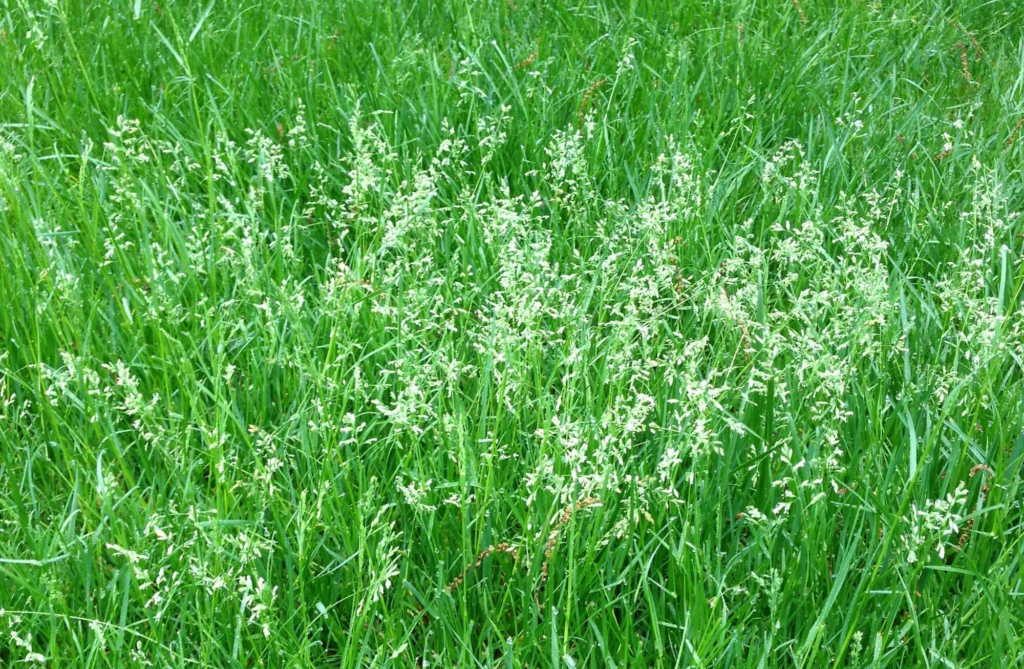
This one has been extra popular this year, with the wet spring weather we’ve had: “My lawn is full of weeds!” When we get that phone call, text or email, we might ask you to provide a photo so that we can better understand the weeds that we’re dealing with. Usually we expect dandelions or broadleaf weeds, but we also get several photos of grass going to seed. With good fertilization and lots of rain, your grass is doing what it was made to do and going to seed! 

Most of our lawns are a blend of Kentucky Bluegrass and fescues- fantastic cool season grasses. These tolerate cold weather well and grow via rhizomes. Many other grasses require seed to germinate new grass, but Kentucky Bluegrass can spread and thicken by either seed or their rhizomes. 

As our soil starts to warm up to a point where Kentucky Bluegrass seed would germinate, we have the perfect environment for it to take off and go to seed, thus the weedy appearance. Oftentimes, we miss it because we’re mowing before this appears, but when spring is rainy and you have awesome fertilizers being applied to your lawn, you’ve got the perfect recipe for Kentucky Bluegrass seed! 

If your grass starts looking like this, no worries! A mow will take care of that and it also means that you’ve got a healthy and lush lawn! Way to go!

Dry Spots in Your Lawn
“I just have some really dry patches in my lawn!” Dry grass patches are areas of unhealthy grass. Over time, the soil in this area has begun to repel water rather than absorb it. This means the grass roots embedded within that section cannot soak up the water and nutrients they need. Eventually leading to the grass dying and the soil becoming bone-dry. There are a few reasons that you might see dry spots in your lawn that don’t seem to make any sense: 

  • High Traffic Area– if these are areas that have a lot of pet, sport or kid traffic, it’s easy for that turf to get worn down and compact. 
  • Pest infestations – pests and insects are not only an unpleasant thought, but once they bury under the soil, they’ll steal essential water and nutrients. Earthworms and grubs are some of the pests we see often.
  • Fungal diseases – we’ll talk about the one we see most often here next! 
  • Lack of water – if it took a while to get your sprinklers rocking and rolling this year, your lawn might be extra thirsty. Even when we have rainy days in the spring, nothing’s better than a regular watering schedule! 
  • Mowing Short – setting your lawnmower to a low-cut setting can result in shallow grass roots and more sun exposure on your soil that dries out your turf. Mowing high is one of the best things you can do for your lawn! 

The good news is that you can bring these areas back to good health with some pretty easy fixes! 

Aeration– if the issue is compact soil, aeration can help to break that up! Whether you do a mechanical core aeration in the fall, or use our Liquid Aeration in the summer months- breaking up that compacted soil will help!
Deep Watering- your dry spots will be extra thankful for some deep watering! Three times a week, make sure that those spots get ½ an inch of water.
Fertilizing– we always recommend our Blended Organic Program for lawns that just need some extra love. The fertilizers will help your grass to develop a nice deep root system that helps your soil retain water.
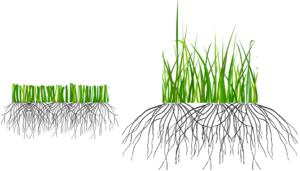
Mow High– this is one of the easiest ways to keep your turf happy and healthy!  

Look at those happy roots!

Melting Out

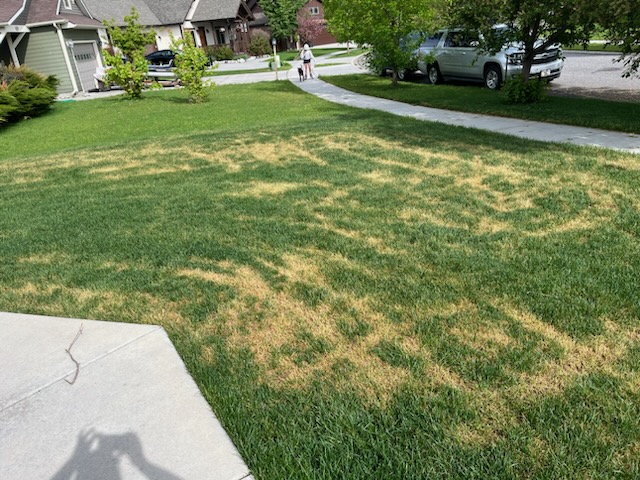
“My lawn is patchy and yellow! What happened?”  What you’re seeing is a fungal disease called Ascochyta Leaf Spot, commonly known as “Melting Out.” The fungal spores are always present in your grass, but usually don’t affect the turf unless it’s stressed and unable to protect itself.  When we get heavy snows and a quick warm up in temperature, we have the perfect environment for Melting Out to occur. Things might look worse before they look better, but your lawn will recover if cultural practices can be changed (more water and mowing at the tallest height). It takes roughly 2-3 weeks of good cultural practices to start to see a change.

Helpful Tips!

  • Watering! As a general guideline if you have healthy soil, an inch and a half of water is recommended per week (be sure to follow watering regulations) and water in the morning between 4-8 am is the best!  
  • Mow High! This is SO important: taller grass = more plant tissue for photosynthesis, longer roots (they mimic the top growth), shaded soil to hold more water, and GREENER GRASS – the longer the leaf blade the more green there is. 
  • Now that you’ve put your mower to the maximum height, wait a week or two to mow. Allow the turf to come back and strengthen itself while maintaining or slightly increasing your watering schedule.
  • Add more organics to the soil. More organics means more healthy bacteria and fungi that can help fight diseases like Melting Out. Just like our gut, when we add the right bacteria, our immune system is typically more strengthened and can outcompete sickness. Healthy soil full of organic material holds more water! This is a great place for me to recommend our Blended Organic lawn care program and Liquid Aeration application! They’re both full of great organic material that will help your lawn come back to good health.

Aspen Shooters:

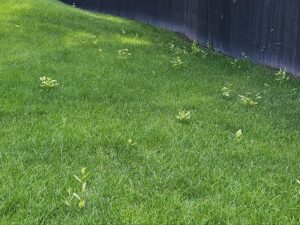
We love our aspens out here and one thing that aspens love is growing in groves! One question that we’ll start to hear is “Can you get rid of my aspen shooters?” Also known as “suckers”; I had a customer call these “quakies” last year and I had never heard that! These are also easily mistaken for weeds, and not always welcome additions to your lawn or garden beds! 

There are a few things that you can do to keep these from taking over your lawn: 

  • Remove the suckers by hand when you see them.
  • Mow over them or prune them. 
  • Spray them with a selective broad-leaf herbicide to knock them back. (If you’re on one of our lawn care programs, we’re happy to do that for you!)

If you find yourself looking at your lawn and seeing any of these issues, we’d love to help! 

What Does “Organic” Mean for Lawn Care

If you polled a group of 50 random people about what comes to mind when they hear the word “organic” you’d probably get 20 different answers, i.e: healthy, expensive, natural, a political position/social movement, and so on. 

For us, “organic” is not a political stance or social movement. We believe it means providing an eco-friendly, premium service that yields better results than traditional programs (and believe us, we also custom-make and source premium products for our traditional program). Our mission is to accelerate the transition to a sustainable landscape, starting here in our own backyards. In this blog, we want to explain what “organic” means for lawn care at Yard Guard.

When developing our Blended Organic program, we looked to local farmers who have been doing this for years. To increase the organic material in their soil, they add manure, composted food waste, and byproducts like feather meal and bone meal. This results in increased crop production, more nutrient-dense products, and improved soil structure that retains water and reduces compaction. All farmers, whether organic or not, realize the benefits of adding organic material to their soil.

So our belief behind “organic” is that we want to do just that: add organic material to a living environment that needs these nutrients to grow and thrive in a harsh climate. Much like why it’s important for us as humans to eat our daily dose of vitamins and minerals via nutrient rich foods. Think of the soil as our bodies. Our hair, skin and nails are a byproduct of how healthy our internal system is, healthy grass is a byproduct of healthy soil. You may supplement with a vitamin or two, but we aren’t fully reliant on synthesized products to get our nutrition. 

What are we putting down?
Our Organic Fertilizer Blend includes: 

  • Kelp
  • Molasses
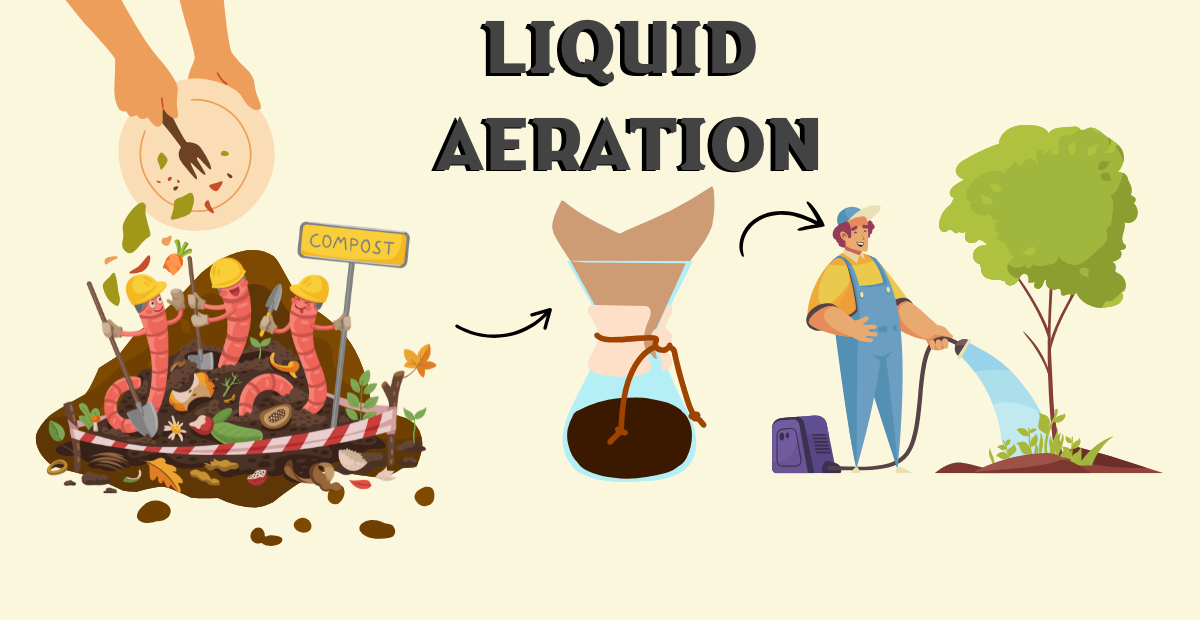
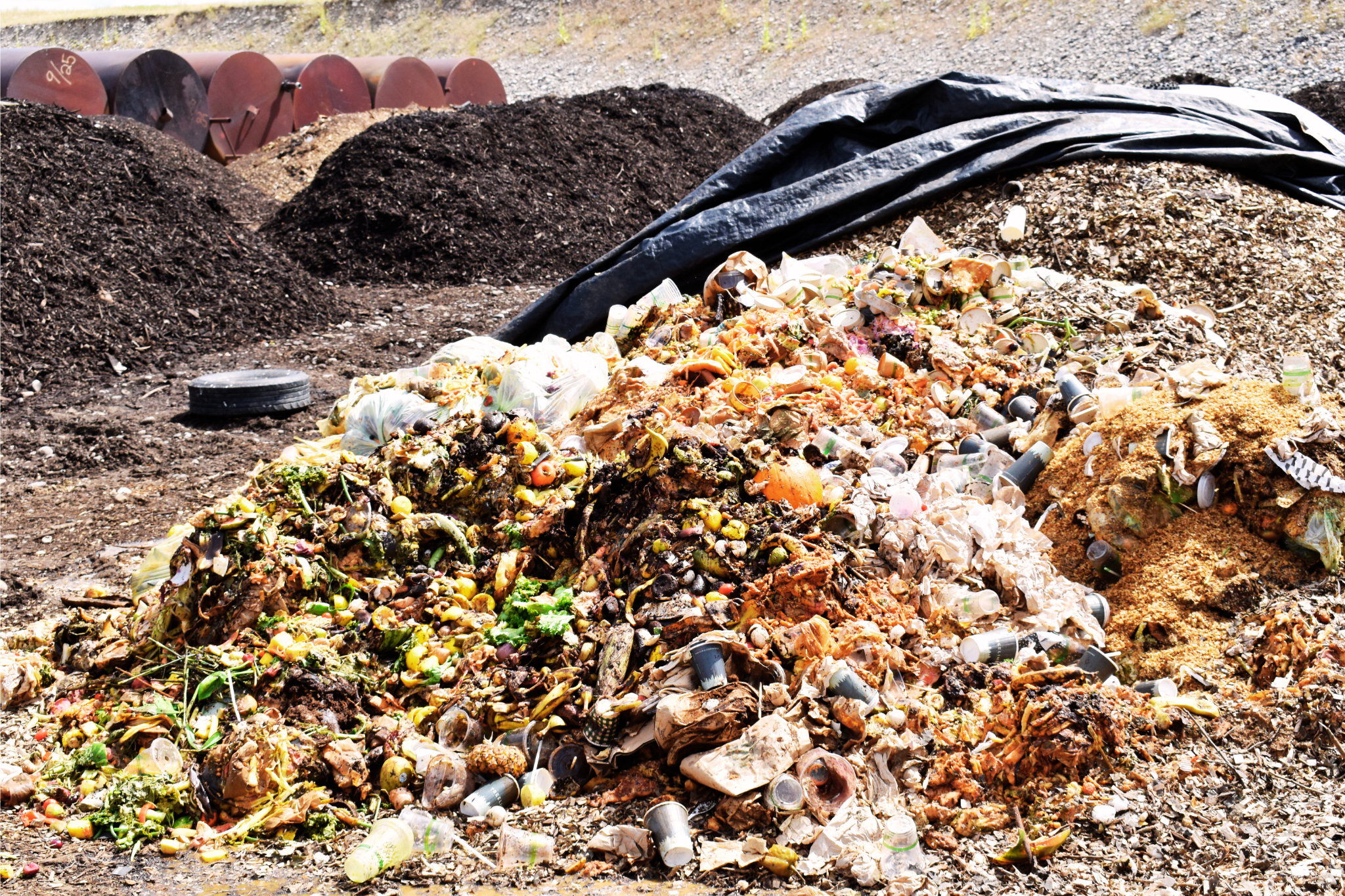
  • Composted Food Waste
  • Humic Acid
  • Folic Acid
  • Peat Moss
  • Feather Meal
  • Meat Meal
  • Blood Meal
  • Worm castings

We don’t yet offer a FULLY organic lawn care program at Yard Guard. We are currently testing different organic products, but so far, we haven’t found an organic weed control that we can stand behind. Our goal with Blended Organic is to build fertilizers that have as much organic material as possible while keeping weed control to a minimum.  Our clients ask for help with their weeds, but most of them would like to reduce the use of synthetic products at their homes which is why we created the Blended Organic Program to bridge the gap. 

We’re excited to continuously improve this program to meet the needs of our customers and to adhere to our Mission. If you’re already on the Blended Organic program, thank you and tell your friends! If you’re looking for a new lawn care company or are on our Traditional Program and haven’t made the switch, give us a call and we’d love to talk to you about your options!

When is the Best Time to Water Your Lawn?

Understanding some of the foundational strategies for watering your lawn is crucial for maintaining a healthy and beautiful turf. The following guidelines serve as a starting point for understanding when the best time to water your lawn is, including frequency, timing, duration, weather considerations and water retention. While the following information is a helpful guideline, all lawns are unique and have different influences that will affect our recommendations. If you need help with your watering practices, start with what we have outlined here and then adjust accordingly. By implementing these strategies thoughtfully, homeowners can nurture their lawns effectively while contributing to sustainable water usage practices.

Frequency:
We advocate for the practice of deep watering. Deep watering allows your soil to dry out between watering cycles, prompting your lawn’s roots to delve deeper in search of nutrients and moisture. This process fosters a robust root system and promotes the overall health and strength of your turf. Deep watering happens when you water every other day, which if you follow the City of Bozeman’s watering guidelines you would already have this practice put in place. 

Timing:
The best time to water your lawn is in the morning, ideally between 5 am and 8 am. During this period, the temperature is still cool enough to minimize water loss through evaporation. Additionally, the weather is typically calm, reducing the risk of water being carried away by wind. Morning watering allows the lawn to dry as the day warms up, mitigating the risk of fungal diseases like leaf spot or mushrooms. Starting your sprinklers around May 1st, even with expected rainfall, can help protect your lawn against diseases and drought during the summer months.

Duration:
Your lawn requires approximately 1½” of water per week, typically beginning around May 1st. A general guideline is to run each zone for 30 minutes. This should equate to .5” of water every other day when doing deep watering. If you’re unsure whether that is happening or not, ask your Yard Guard technician or send a note to our office that you would like a Yard Guard measuring cup. Placing this cup in various lawn zones can verify water distribution. Alternatively, a small tuna can may serve as a makeshift measuring device. Adjusting sprinkler times based on individual needs can optimize water distribution and avoid  overwatering or underwatering certain areas.

Weather Considerations:
When considering weather conditions, the primary focus should be on ensuring your lawn receives the required 1½” of water per week. Coordinating watering schedules with rainfall can be beneficial, provided the lawn receives the right amount of moisture.

Water Retention:
Given escalating concerns about water retention, it’s crucial to water your lawn as efficiently as possible. Beginning early in the season is advisable to avoid trying to compensate for water deficits once temperatures rise. One trick we recommend is turning your sprinklers on early in the year and monitoring the rain. When it rains the equivalent of ½”, you can skip the next watering! Maintaining a consistent supply of organic material is essential for soil health, as organic-rich soil can retain more water and reduce compaction, facilitating proper water absorption. This is one of the main tactics in our Blended Organic Program.

In response to water retention efforts, we had planned to test a water-saving product this year on our test plots in Beall Park. However, due to the anticipated high drought conditions, we will be offering this service to our clients starting in 2024. Although the products claim you can reduce watering up to 50%, industry standards fall more in the 20-25% range. Many of our industry friends have reported positive results with this product, and ongoing tests will provide more precise retention data. For more information about this product, click this link.

We hope this information provides a helpful jumping off point for nurturing your lawn. If any of these points brings more questions to the forefront, give us a call and we’d be happy to talk through this with you. Remember that it’s not a one size fits all plan. It’s important to start somewhere and adjust accordingly to your properties preferences! Your lawn is a living, breathing thing and will have its own particular desires!

Spring Lawn Problems and Best Practices

If you are anything like me you are probably wishing for more snow each Sunday night as you fill the new core shots on your skis or snowboard. However, while it may feel like things are finally starting to look like winter, warmer temps and longer days are right around the corner. So as you begin to hang up your skis and boots and bring your mountain bikes in for a fresh tune, it may also do you well to start thinking about your lawn. In this article, I will discuss a few of the common lawn problems we see with lawns in early Spring and how to prepare for those. That way come summer the only thing you have to think about with your lawn is the BBQ you want to have on top of it.

Vole damage
Each year after the snow melts you may notice small tunneling trails criss-crossing your lawn with loose dead grass atop them and wonder what caused it. The answer, Voles. These rodents normally live in the fields and prairies surrounding our lawns but in the winter they tunnel underneath the snow and take up residence in our lawns. The damage the voles cause occurs when they dig up and eat the crown of the grass effectively killing the grass blade which are the leftover remnants. 

Now I know you might be thinking “Tate there hasn’t really been a snowpack in my yard. Do you think I will see vole damage this spring?” While I too am hopeful that the mild winter will reduce the vole damage this year it’s important to remember the words of Jeff Goldblum’s character in 1993’s Jurassic Park “life finds a way.” In the instance that you do see vole damage this year, don’t panic. By June your lawn should have recovered from that damage and have filled back in. However, if you want to take a few extra steps to speed up the process go ahead and rake up the dead grass that is on top of the lawn. Then, apply a half inch of topsoil over the affected area. This will ensure that the remaining grass roots in the area stay moist while the grass fills back in. 

If you want to learn more about preventative vole measures click HERE to see a blog we wrote about that very issue.  

Snow Mold
Snow mold is a pinkish-white or greyish-white type of fungus that affects cool-season turfgrasses and causes circle-like brown patches. The fungus that causes both types of snow mold is always in the soil but remains inactive during warmer temperatures. That is why as the snow begins to melt and temperatures range from 32 – 45 degrees, it creates an ideal environment for these fungi to release their spores. The main difference between the two types of mold is the extent of the damage they can potentially have on the turf. Gray snow mold can only harm the grass blade while pink snow mold has the potential to harm both the grass blade and the grass root. If you see either type of snow mold in your lawn, don’t panic, it’s not a death sentence. Most cases resolve on their own. If you want to take some form of action your first step should be to gently rake up the area that is affected by the mold, this will break up any compact grass and allow the soil to dry quicker and prevent more mold from growing. In the instance that you have pink snow mold and it was able to affect the grass to the root, reseeding the affected area will help to fill in the patch. 

Watering
Almost all of the turf grasses you will find in Southwest Montana are considered cool season turf grass. This means that the grass is happiest during the cooler temperatures we experience in the spring (optimal temps are between 60-75 degrees). This means some of the best preventative measures for your lawn can be taken in the spring while the grass is at its peak growing season.

The first step you should take is turning on your sprinkler system early. I know at times during a Montana spring it may seem like we are getting a ton of rain, but from April of 2023 to June of 2023 Bozeman only got just over 4 inches of precipitation according to the National Weather Service (⅕ of the moisture our lawn needs). Our lawns are happiest when they get 1 ½ inches of water each week. So while it may seem like mother nature is taking care of our lawn for us, it’s actually struggling to survive with such little water.

To combat this we recommend turning your sprinklers on as soon as freezing night time temperatures are out of the weekly forecast generally speaking, mid to late – April. Once your system is up and running you should be shooting for 1 ½ inches of water per week on your lawn. If you are concerned that a section of your lawn might not be getting 1 ½ inches of water each cycle, ask one of our technicians for a rain cup when you see them this spring or you can put out an empty tuna can which will also hold about 1 ½ inches of water when full!

Fertilizing
One of the best things you can do for your lawn is to put down a spring fertilizer application. Not only will the fertilizer give your grass a nice green up and full look, it will also promote growth in the root systems which will help the lawn throughout the summer as well as create turf that will outcompete the weeds trying to grow in the same resource area as your lawn! Yard Guard uses a granular fertilizer blend, affording us the opportunity to apply this fertilizer in almost all conditions. Light snow, rain, shine we can apply in all of them. Since it’s a slow release fertilizer the product will naturally get “washed in” to your soil over time and the nutrients will be available for the grass to grab whenever it needs. We also have a Blended Organic fertilizer that will add more organics to your soil making more soil nutrients naturally available! If you want to hear more about our Blended Organic fertilizer give us a call!

I hope that these tips will help you feel empowered to get the lawn of your dreams this year and I look forward to seeing some of you this spring!


Love Your Yard
Your Neighbors Will Thank You Get a Quote

© 2026 Yard Guard Lawn and Tree Care. All Rights Reserved    |    Privacy Policy

CDS