 Login
Login Billpay
What is the difference between a tap root and rhizomatous root system? (and why it matters)
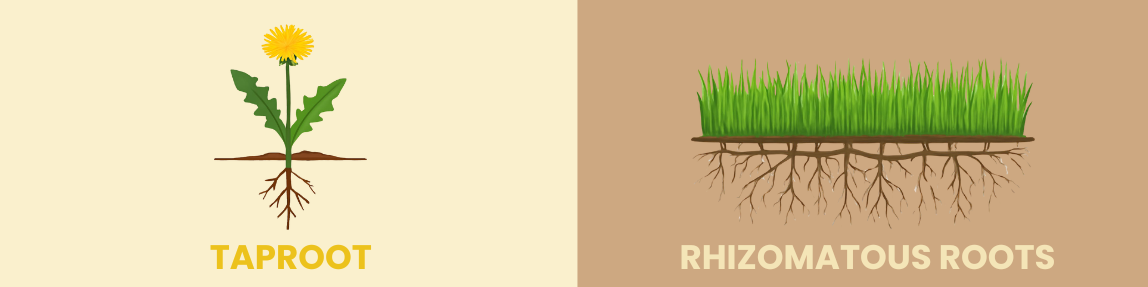
A plant’s root system plays a major role in its care, survival, and environmental compatibility. The type of root system determines everything from how a plant anchors itself to its water and nutrient extraction, and even the plant’s impact on its surrounding ecosystem.
Tap root system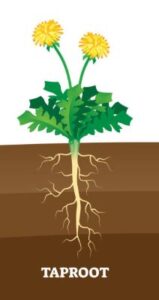
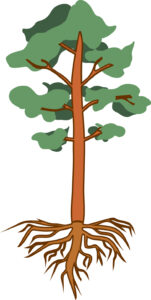
Tap root plants have a large singular central root that penetrates soil far below the surface, growing vertically downward. Tap root plants are generally very drought-tolerant because their roots can access groundwater far below the surface and anchor them deeply.
Examples of tap root plants include:
- Trees like oaks and pines
- Weeds like dandelions, burdock, and common mullein
- Vegetables like carrots, radishes, and beets
Implications of tap root plants, and how it may affect your garden
- Tap root plants are extremely difficult to transplant, so it is important to consider when adding to your landscaping
- Tap root weeds can be more stubborn and difficult to eliminate – while weed control is typically effective, it may take multiple treatments to fully eradicate them. If hand-pulling these weeds, it’s vital you remove the entire tap root to prevent regrowth.
- In order to keep tap root plants healthy, ‘deep watering’ practices are favored over frequent, shallow watering. One way you can ensure deep watering is by using a hose on a slow trickle at the base of the plant for an extended period of time, less frequently.
Rhizomatous root system
Rhizomatous root systems are a network of stems that grow horizontally, rather than just vertically (downward). On these primary stems there are growing points, called nodes, from which new stems, or shoots, and vertical roots grow from. The infrastructure of these interconnected root systems stores nutrients and water and allows the plant to spread aggressively.
Examples of rhizomatous plants: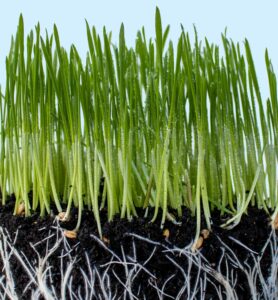
- Your lawn!
- Ornamentals like ferns, indoor plants like snake plants, and aspen trees
- Weeds like Canada thistle and quackgrass, invasive grasses
- Edible plants like ginger and turmeric
Implications of rhizomatous root systems, and how it may affect your garden:
- The rhizomatous root system makes the plants resilient and capable of withstanding major changes in seasonal weather conditions, and maintaining vitality in winter dormancy.
- These root systems help protect against soil erosion and maintain healthier soil.
- Unwanted rhizomatous plants and weeds can be incredibly invasive and difficult to remove.
Understanding your plants’ root systems play a role in your yard and their surrounding ecosystem is essential. Knowing the differences will help you to sustain healthy and happy plants and ensure your watering and care practices are right for them.
